

 Introduction
WeberKraus has released a comprehensive global market outlook examining strategic developments shaping financial markets and the growing role of digital trading platforms in interpreting market activity. The report focuses on how evolving economic conditions, technological innovation, and data-driven analysis are influencing how investors approach global equities and digital asset markets. As financial ecosystems become increasingly interconnected, investors are relying more heavily on platforms capable of organizing complex financial signals into structured insights.
Global financial markets have undergone significant transformation over the past decade. Technological advancement has expanded investor access to international exchanges, allowing individuals and institutions to participate in global trading environments with greater efficiency. At the same time, the volume of financial data available to market participants has increased dramatically, creating both opportunities and challenges for investors attempting to interpret market signals.
The newly released outlook examines how data-focused trading environments are helping investors navigate complex market conditions while identifying emerging opportunities across global financial sectors.
Evolving Global Market Dynamics
Financial markets today operate within a highly interconnected environment where developments in one region can influence investor sentiment worldwide. Economic growth patterns, innovation cycles, and evolving regulatory environments all contribute to changes in market activity across international exchanges.
To support traders monitoring these developments, WeberKraus delivers analytical tools designed to translate global market signals into structured insights. These systems allow investors to observe sector performance, monitor volatility indicators, and evaluate how financial trends unfold across multiple regions simultaneously.
Technology sector expansion, infrastructure investment, and digital transformation initiatives are among the key drivers influencing global equity markets. Many companies operating within these sectors continue to attract investor attention due to their role in shaping modern economic activity.
In addition, the integration of cryptocurrency markets into broader financial ecosystems has introduced new dimensions of market participation. Investors now evaluate relationships between traditional assets and digital assets when constructing trading strategies.
Understanding these interconnected market forces requires analytical platforms capable of interpreting large volumes of financial information while presenting insights in clear and accessible formats.
Technology Supporting Market Analysis
Modern trading platforms depend on sophisticated technological infrastructure capable of processing vast quantities of financial data. Data monitoring systems collect information from multiple exchanges, generating insights that help traders interpret market behavior across different asset classes.
Within its analytical environment, WeberKraus utilizes data processing technologies designed to evaluate market activity across equities, digital assets, and other financial instruments. These systems analyze price fluctuations, trading volumes, and sector-specific indicators in order to identify emerging trends.
Historical market data also plays an essential role in understanding long-term financial patterns. By comparing present market conditions with previous trading cycles, analytical platforms can highlight patterns that may provide context for current market movements.
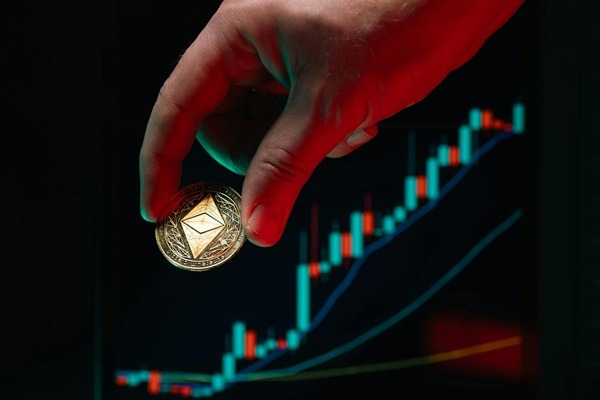
Visualization technologies further improve the accessibility of financial information. Interactive dashboards, charts, and performance indicators allow traders to observe market signals through graphical interfaces that simplify complex datasets.
The integration of computing infrastructure and data analytics has transformed the way investors interact with financial markets. Analytical platforms now serve as important tools for interpreting market developments that occur across multiple sectors and regions.
Infrastructure and Platform Stability
Reliable infrastructure remains essential for maintaining digital trading platforms capable of supporting continuous market interaction. Global markets operate around the clock, generating substantial amounts of financial data that must be processed efficiently and securely.
The infrastructure supporting WeberKraus is designed to handle large streams of financial information originating from international exchanges. Distributed server systems allow the platform to allocate computing resources dynamically in response to changes in market activity.
During periods of market volatility, trading volumes often increase significantly. Scalable infrastructure ensures that analytical dashboards remain responsive and capable of delivering updated financial insights to users without interruption.
Security architecture also plays a critical role in maintaining stable digital trading environments. Authentication protocols, encryption technologies, and monitoring systems work together to protect account data and maintain operational integrity.
Continuous technical monitoring further strengthens system reliability. Engineering teams observe server performance, network connectivity, and data synchronization processes to ensure that market intelligence remains accurate and accessible to users worldwide.
These technological safeguards enable trading platforms to deliver dependable services in environments where market information must be processed rapidly and securely.
User Experience and Market Transparency
As digital trading ecosystems expand, user experience and transparency have become central priorities for modern trading platforms. Investors expect clear interfaces that allow them to interpret financial data efficiently while maintaining full visibility over their trading activity.
Through its platform architecture, WeberKraus provides analytical dashboards that organize financial insights into structured visual displays. These dashboards allow users to observe price movements, sector performance, and broader market indicators through simplified graphical formats.
Account management systems further contribute to transparency by enabling traders to review transaction history, portfolio performance, and market activity through detailed reporting tools. Access to clear records helps investors maintain awareness of their financial decisions and trading outcomes.
Security infrastructure supports these systems by ensuring that account information remains protected throughout the trading experience. Authentication processes and monitoring systems are designed to safeguard user accounts while maintaining platform functionality.
By integrating analytical tools, transparent reporting, and security architecture, digital trading platforms aim to create environments where investors can evaluate global markets with clarity and confidence.
Future Outlook for Digital Trading
The future of financial market participation will likely continue evolving alongside technological advancement. Data analytics, automation technologies, and real-time monitoring systems are expected to play increasingly important roles in how investors interpret global market signals.
The global market outlook released by WeberKraus highlights how technological infrastructure, data transparency, and analytical insight are shaping the next phase of digital trading ecosystems. As investors navigate increasingly complex financial environments, platforms capable of organizing large datasets into meaningful insights will remain valuable resources.
Financial markets will continue expanding across digital channels, creating opportunities for platforms that combine reliable infrastructure with advanced analytical capabilities. These systems help investors monitor evolving trends while maintaining awareness of global market conditions.
Disclaimer: Cryptocurrency trading involves risk and may not be suitable for all investors. This content is for informational purposes only and does not constitute investment or legal advice.